
1. What Is an eSIM?

An eSIM, short for embedded Subscriber Identity Module, represents one of the most significant shifts in mobile telecommunications over the past decade. Unlike the removable plastic SIM cards that have been standard in mobile phones since the 1990s, an eSIM is a small chip permanently embedded in your device's hardware. It performs the same authentication functions as a traditional SIM — identifying your device to a mobile network — but does so through software rather than a physical card.
The technology was first standardized by the GSMA (Global System for Mobile Communications Association) in 2016, initially for machine-to-machine (M2M) applications like connected cars and industrial IoT devices. Consumer eSIM specifications followed in 2017, and Apple became the first major smartphone manufacturer to include consumer eSIM support with the iPhone XS and XS Max in 2018.
Today, eSIM technology is standard in virtually every premium smartphone. Apple removed the physical SIM slot entirely from US-market iPhone 14 models in 2022, signaling the industry's direction. Samsung, Google, Motorola, and other manufacturers have followed with robust eSIM support across their flagship and mid-range lines.
Key Distinction
An eSIM is not a specific carrier or data plan — it is the hardware technology that allows you to install and switch between carrier profiles digitally. The "eSIM plan" you purchase from a provider is a software profile that gets installed onto your device's eSIM chip.
eSIM vs Physical SIM: A Direct Comparison
| Feature | Physical SIM | eSIM |
|---|---|---|
| Activation | Physical insertion required | Remote, via QR code or app |
| Switching carriers | Requires new physical card | Software switch, instant |
| Multiple profiles | One at a time (dual SIM = two slots) | Multiple stored, one active |
| Loss/damage risk | Can be lost or damaged | Built into device, no loss risk |
| Travel convenience | Requires local SIM purchase | Pre-purchase before travel |
| Device compatibility | Universal (all phones) | Requires eSIM-capable device |
2. How eSIM Technology Works
The eSIM chip in your device contains a secure element — essentially a tiny, tamper-resistant computer — that stores and manages carrier profiles. Each profile contains the cryptographic credentials that identify your device to a specific mobile network, just as a physical SIM card does.
When you purchase an eSIM data plan, the provider generates a unique profile for your device. This profile is delivered to you as a QR code or, increasingly, through a direct push to your device via an app. When you scan the QR code, your phone's eSIM management system connects to the provider's SM-DP+ (Subscription Manager Data Preparation) server and securely downloads the profile.
The GSMA's SGP.22 specification governs how consumer eSIM profiles are managed, ensuring interoperability between different device manufacturers and carrier systems. This standardization is what makes it possible to purchase an eSIM plan from a provider in one country and use it seamlessly on a device manufactured in another.
Network Technology: 4G, LTE, and 5G
Most eSIM plans for European travel operate on 4G/LTE networks, which provide more than adequate speeds for streaming, video calls, and general internet use. 5G eSIM plans are increasingly available in major European cities, offering significantly faster speeds for data-intensive tasks.
When evaluating eSIM plans, pay attention to the network generation supported. A plan that only supports 3G will feel sluggish compared to modern standards. Most reputable providers offer 4G/LTE as a minimum, with 5G availability in select locations.
3. The eSIM Activation Process
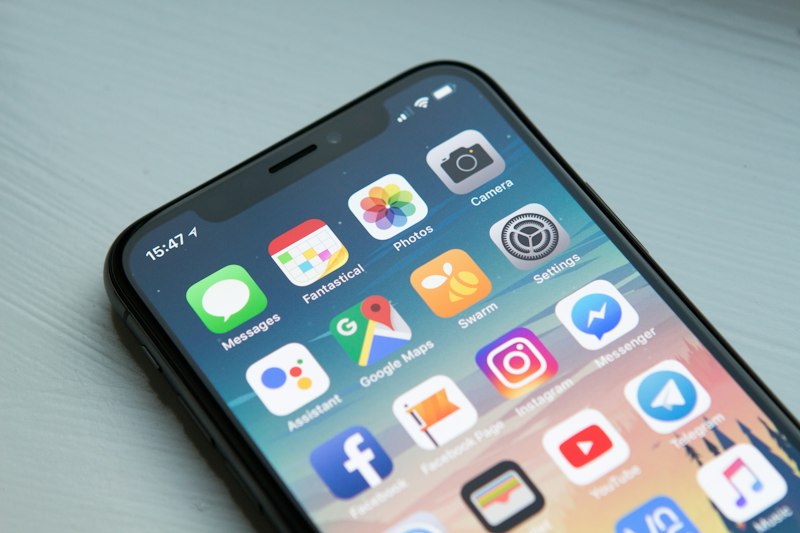
Activating an eSIM is straightforward, but the exact steps vary slightly between iPhone and Android devices. Here is a comprehensive walkthrough for both platforms.
Activating eSIM on iPhone
- Open Settings on your iPhone.
- Tap Cellular (or Mobile Data in some regions).
- Tap Add eSIM or Add Cellular Plan.
- Select Use QR Code and scan the QR code provided by your eSIM provider.
- Confirm the plan details and tap Add Cellular Plan.
- Label the plan (e.g., "Europe Travel") and choose whether it should be your primary or secondary line.
- Set the eSIM as your Default Line for Cellular Data when you arrive at your destination.
Activating eSIM on Android (Samsung/Pixel)
- Open Settings and navigate to Connections (Samsung) or Network & Internet (Pixel).
- Tap SIM Manager or SIMs.
- Select Add eSIM or the + icon.
- Choose Scan QR code and scan your provider's code.
- Follow the on-screen prompts to complete installation.
- Enable the eSIM and set it as your preferred data SIM.
Pro Tip: Activate Before You Travel
Many eSIM providers recommend activating your eSIM profile while still connected to Wi-Fi at home. The profile download requires an internet connection, and activating in advance means you'll have data connectivity the moment you land — without needing airport Wi-Fi.
4. Why eSIM Is a Game-Changer for Travelers
The practical benefits of eSIM for travelers are substantial. Here is a detailed breakdown of why millions of travelers are switching from physical SIM cards and roaming plans.
No More Airport SIM Queues
Anyone who has traveled internationally knows the ritual: land at a foreign airport, find the mobile carrier kiosk, queue for 20 minutes, struggle to communicate your requirements in a foreign language, and finally emerge with a SIM card that may or may not work in your phone. eSIM eliminates this entirely. Your connectivity is ready before you board the plane.
Keep Your Home Number Active
Dual SIM functionality — one physical SIM for your home number, one eSIM for local data — means you never miss important calls from family, your bank, or your employer while abroad. This is particularly valuable for business travelers who need to maintain a professional presence in their home country.
Cost Transparency
International roaming charges from traditional carriers can be eye-wateringly expensive, and the bills are often a nasty surprise after you return home. eSIM plans have fixed, pre-purchased pricing. You know exactly what you're paying before you travel, with no hidden fees or per-megabyte charges.
Environmental Benefit
Every physical SIM card is a small piece of plastic that eventually ends up in landfill. Frequent travelers who buy local SIMs in every country they visit generate significant plastic waste over time. eSIM is entirely digital, with zero physical waste.
5. How to Choose the Right eSIM Plan for Europe

With dozens of eSIM providers now offering European plans, choosing the right one requires evaluating several key factors. Here is what to consider.
Coverage Countries
Some plans cover only EU member states, while others extend to Switzerland, Norway, Turkey, and the UK. If your itinerary includes non-EU countries, verify they are included in your plan's coverage before purchasing.
Data Allowance
For a typical leisure traveler using maps, social media, and occasional streaming, 5–10GB for a two-week trip is usually sufficient. Digital nomads who rely on video calls and large file transfers should look at 20GB+ plans or unlimited options.
Plan Duration
Plans are typically available in 7-day, 15-day, and 30-day durations. Some providers offer data-only plans with no expiry until the data is consumed. Match the plan duration to your actual travel dates to avoid paying for unused days.
| Traveler Type | Recommended Data | Plan Duration | Key Priority |
|---|---|---|---|
| Weekend city break | 3–5 GB | 7 days | Affordable, easy activation |
| 2-week holiday | 10–15 GB | 15–30 days | Multi-country coverage |
| Business traveler | 15–20 GB | 30 days | Reliability, speed |
| Digital nomad | Unlimited or 50GB+ | 30 days, renewable | Consistent speeds, wide coverage |
| Backpacker (multi-month) | 20–30 GB/month | Monthly renewable | Cost per GB, flexibility |
6. eSIM Coverage Across Europe
Europe's mobile network infrastructure is among the most advanced in the world. 4G/LTE coverage in Western European countries typically exceeds 95% of the population, with 5G rapidly expanding in major cities. Here is an overview of what to expect in key destinations.
Western Europe
Germany has excellent 4G coverage from Deutsche Telekom, Vodafone, and O2, with 5G available in most major cities. Rural areas can have weaker signals, particularly in eastern Germany. France offers strong coverage from Orange, SFR, and Bouygues, though rural Brittany and mountainous regions may see reduced speeds. Spain and Italy have solid urban coverage, with Telefónica and Telecom Italia respectively providing reliable service in tourist areas.
Northern Europe
The Netherlands and Belgium are among the most densely covered countries in Europe, with near-universal 4G and growing 5G networks. Scandinavia (Sweden, Norway, Denmark) offers excellent coverage even in relatively remote areas, thanks to high investment in telecommunications infrastructure.
Eastern Europe
Poland and the Czech Republic have significantly improved their mobile networks in recent years, with strong 4G coverage in cities and along major transport corridors. Rural coverage can be patchy. Austria has excellent coverage, particularly in tourist areas and along the Alpine routes.
Full Country-by-Country Guide →7. Digital Nomad Connectivity Tips

For those working remotely while traveling through Europe, connectivity is not a convenience — it is a professional necessity. Here are strategies used by experienced digital nomads.
The Layered Connectivity Approach
Experienced nomads rarely rely on a single connectivity source. A robust setup typically includes: a primary eSIM for mobile data, a portable Wi-Fi router (MiFi device) for laptop connectivity, and co-working space memberships for reliable high-speed internet during important calls or large uploads.
Managing Data Usage
- Download maps offline before leaving Wi-Fi
- Use data compression in your browser settings
- Schedule large uploads and downloads for co-working spaces
- Enable Wi-Fi calling to reduce cellular usage
- Use messaging apps (Signal, WhatsApp) instead of SMS
- Monitor data usage through your phone's built-in tracker
Best European Cities for Digital Nomads
Cities with the best combination of fast internet, co-working spaces, and reasonable cost of living include Lisbon (Portugal), Tallinn (Estonia), Barcelona (Spain), Berlin (Germany), and Kraków (Poland). All have excellent mobile coverage and thriving nomad communities.
8. Troubleshooting Common eSIM Issues
Even with a correctly activated eSIM, you may occasionally encounter connectivity issues. Here are the most common problems and their solutions.
eSIM Not Connecting After Arrival
Ensure the eSIM is set as your active data line in Settings. Toggle Airplane Mode on and off to force a network search. If the issue persists, manually select a network operator in your cellular settings.
QR Code Won't Scan
Ensure you have a stable internet connection before scanning. Try adjusting the brightness of the screen displaying the QR code. If scanning fails repeatedly, most providers offer a manual entry code as an alternative.
Slow Data Speeds
Check if your plan has a data cap after which speeds are throttled. Verify you're in an area with 4G coverage. Some eSIM plans prioritize data differently on partner networks — speeds may vary by country.
eSIM Profile Disappeared
This can happen after a factory reset or device transfer. Contact your eSIM provider — most can re-issue the profile. Note that eSIM profiles are tied to specific devices and cannot be transferred between phones.
9. Frequently Asked Questions
Can I use an eSIM on a locked phone?
Carrier-locked phones may restrict eSIM usage to the locking carrier's plans. If your phone is locked, contact your carrier to unlock it before purchasing a travel eSIM. Most carriers will unlock phones after the contract period ends.
How many eSIM profiles can I store on my phone?
Most modern smartphones can store 5–20 eSIM profiles, though only one (or two on dual-eSIM devices) can be active at a time. You can switch between stored profiles in your settings without re-downloading them.
Does eSIM work with smartwatches and tablets?
Many modern smartwatches (Apple Watch Series 3+, Samsung Galaxy Watch) and tablets (iPad Pro, Samsung Galaxy Tab) support eSIM. Coverage and plan availability for these devices may differ from smartphone plans.
Is eSIM available in all European countries?
eSIM technology is supported by networks in all major European countries. However, some smaller or less-developed markets may have limited eSIM plan availability. Always verify coverage for your specific destinations before purchasing.